Cultural Etiquette Tips for Expats in Thailand
Ensure respectful interactions with locals by understanding Thai cultural norms.
Read ArticleUnderstand the cultural norms and etiquette to better integrate into Thai society.
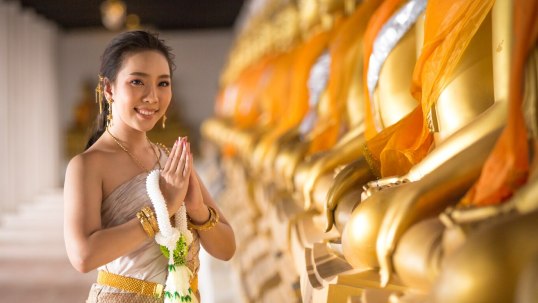
Settling into a new country can be both exciting and daunting. For expats in Thailand, understanding the local customs and etiquette is crucial for a smooth transition. This guide aims to help you navigate the intricate world of Thai etiquette, allowing you to integrate comfortably into Thai society.
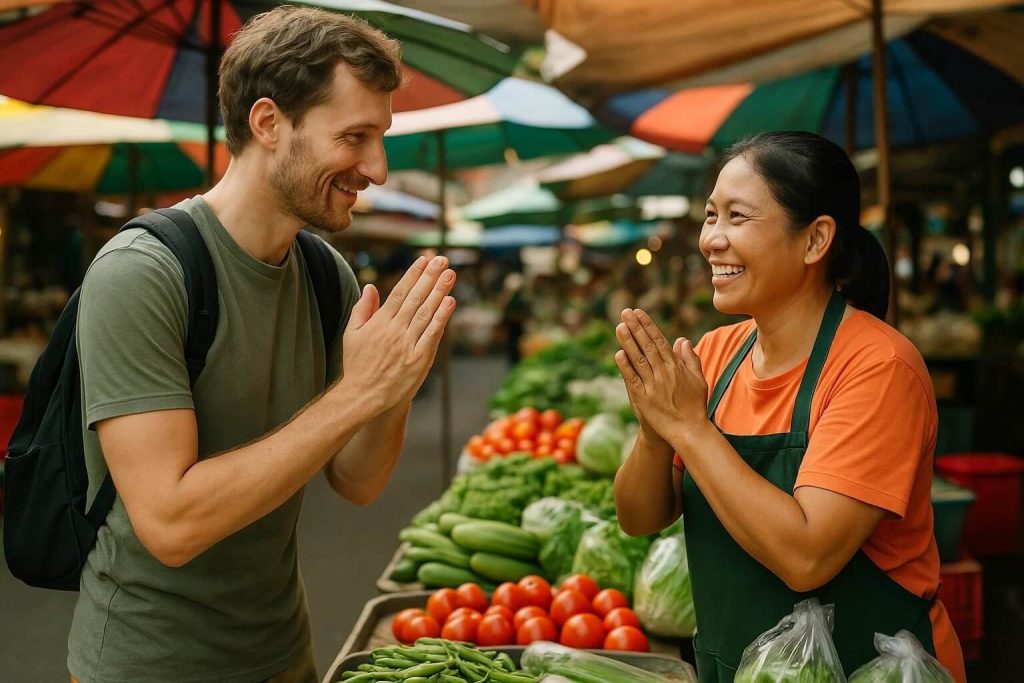
Respect is the cornerstone of Thai culture. It permeates every interaction, whether at a bustling market or a quiet temple. The traditional Thai greeting, the wai, is a perfect example. To perform a wai, press your hands together in a prayer-like gesture and bow slightly. The higher the hands, the more respect is conveyed. This gesture is not only a greeting but also a sign of respect to elders and monks.
Thailand operates on a hierarchical system, heavily influenced by age, social status, and job position. Elders are highly respected, and showing deference to them is expected. For instance, when entering a room, a younger person should greet elders first.
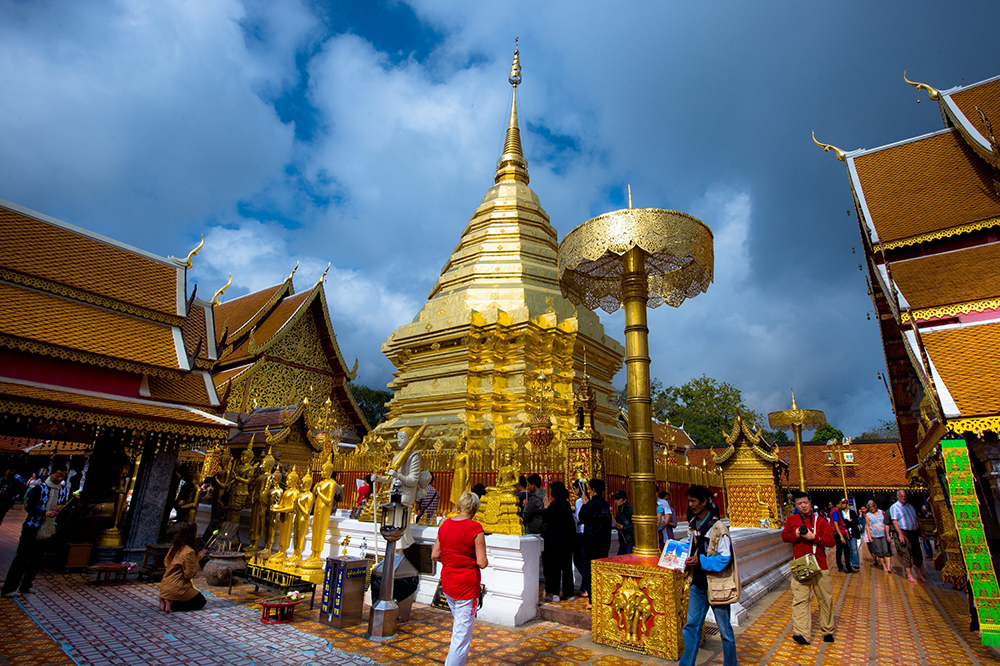
Buddhism is deeply ingrained in Thai culture. When visiting temples, dress modestly: shoulders and knees should be covered. Remove your shoes before entering a temple and avoid pointing your feet towards Buddha statues. Feet are considered the lowest part of the body, so pointing them at people or sacred objects is disrespectful.
The head is regarded as the most sacred part of the body. Avoid touching anyone's head, including children, unless you know them very well. This gesture can be seen as invasive and disrespectful.
Thai meals are usually shared, with multiple dishes placed in the center of the table. It's customary to serve yourself small portions and try a bit of everything. Remember to use the serving spoon, not your personal utensils, when taking food from communal dishes.
In Thailand, people typically eat with a fork and spoon. The fork is used to push food onto the spoon, which is then brought to the mouth. Chopsticks are generally reserved for noodle dishes.
Thais are known for their friendliness, often referred to as the "Land of Smiles." A warm smile can go a long way in easing communication barriers and creating a positive impression.
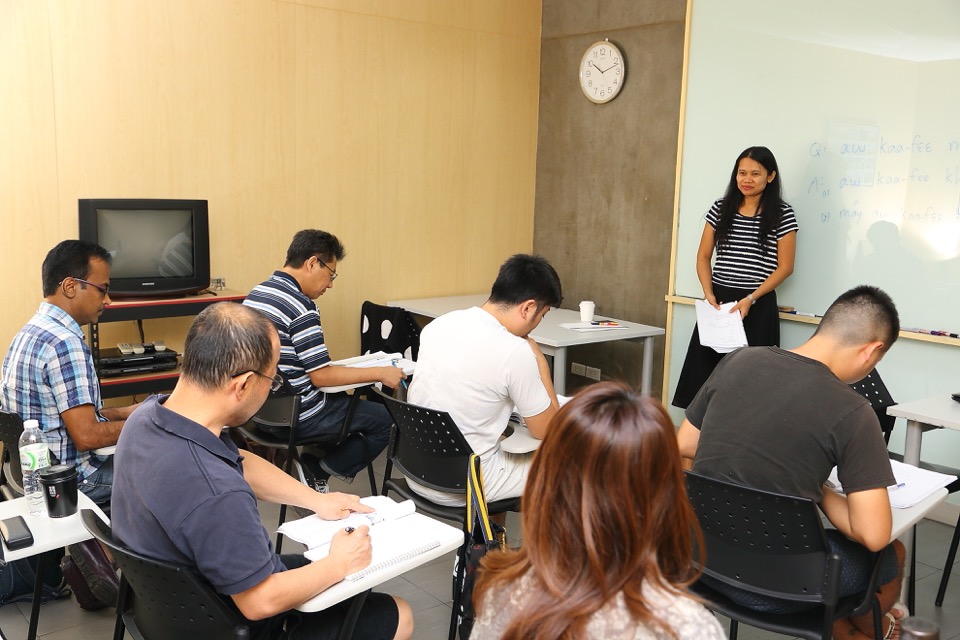
While many Thais speak English, learning a few basic Thai phrases can endear you to locals. Simple words like sawasdee (hello) and khop khun (thank you) can show your respect and willingness to engage with the culture.
If invited to a Thai home, it's polite to bring a small gift, such as flowers or sweets. When giving or receiving gifts, use your right hand or both hands. Avoid wrapping gifts in black, as it associates with mourning.
Dress appropriately for the occasion. Casual wear is acceptable in informal settings, but smart attire is expected for formal events. When in doubt, err on the side of dressing conservatively.
Thai people have a more relaxed view of time, known as "Thai time." Punctuality is appreciated, but a few minutes' delay is generally acceptable in social settings. However, for business meetings, it's best to be on time.
Thai humor is often subtle and self-deprecating. Avoid sarcasm and loud confrontations, as these are seldom appreciated. Maintaining a light-hearted approach will help you blend in seamlessly.
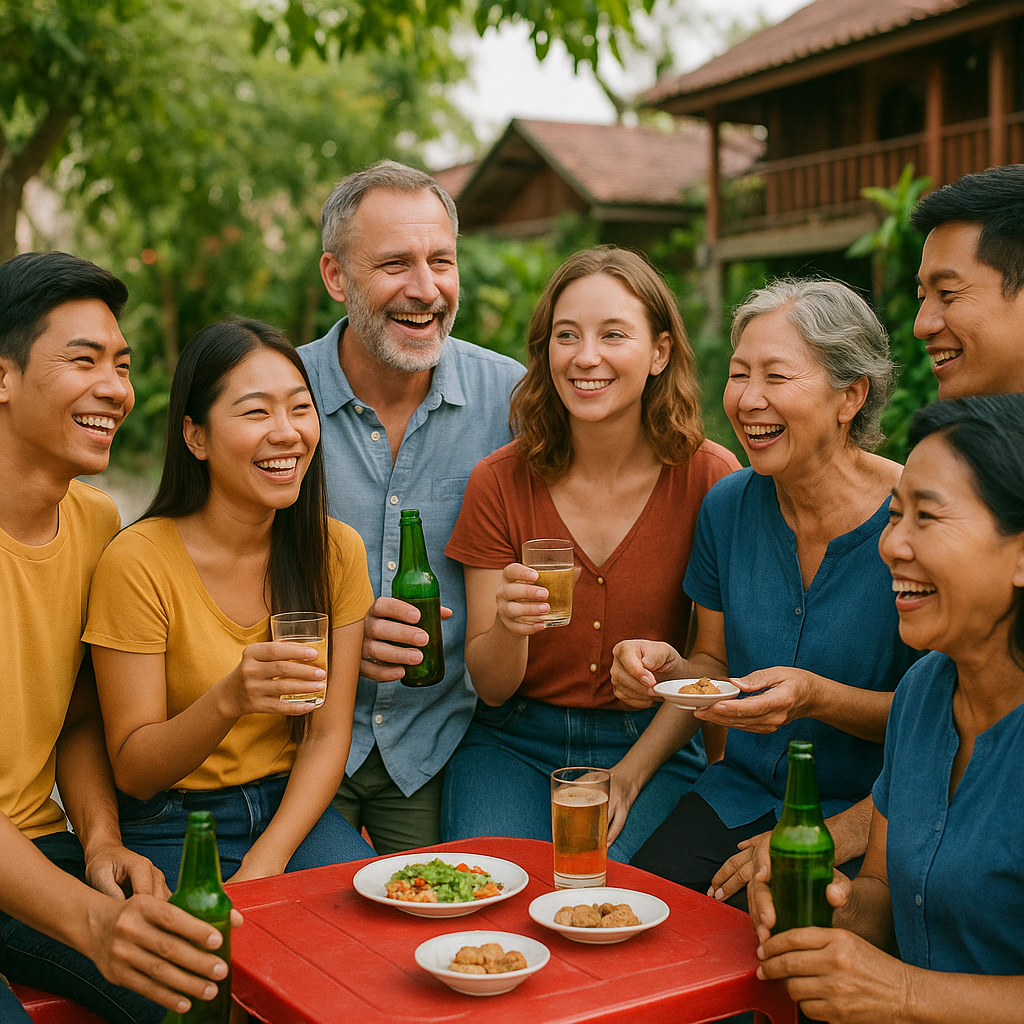
Expats and Thai locals at a social gathering
Living in Thailand offers a unique opportunity to immerse yourself in a vibrant culture rich with traditions. By respecting and observing Thai etiquette, you can build meaningful relationships and experience the warmth and hospitality that Thailand is renowned for. Remember, every effort you make to understand and respect the culture will be met with appreciation and kindness from the locals.
Dec 16, 2025
Found this article helpful? Share it with others.
You might also be interested in these articles
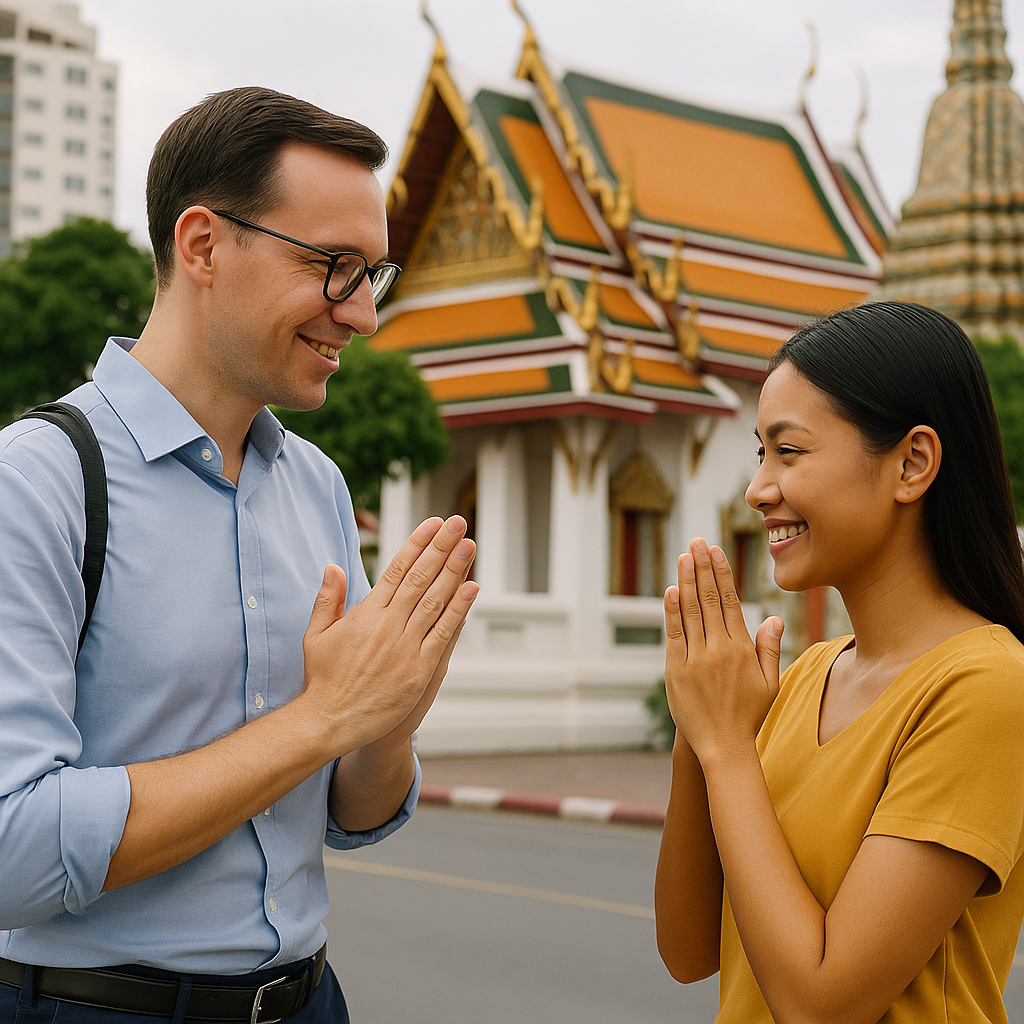
Ensure respectful interactions with locals by understanding Thai cultural norms.
Read Article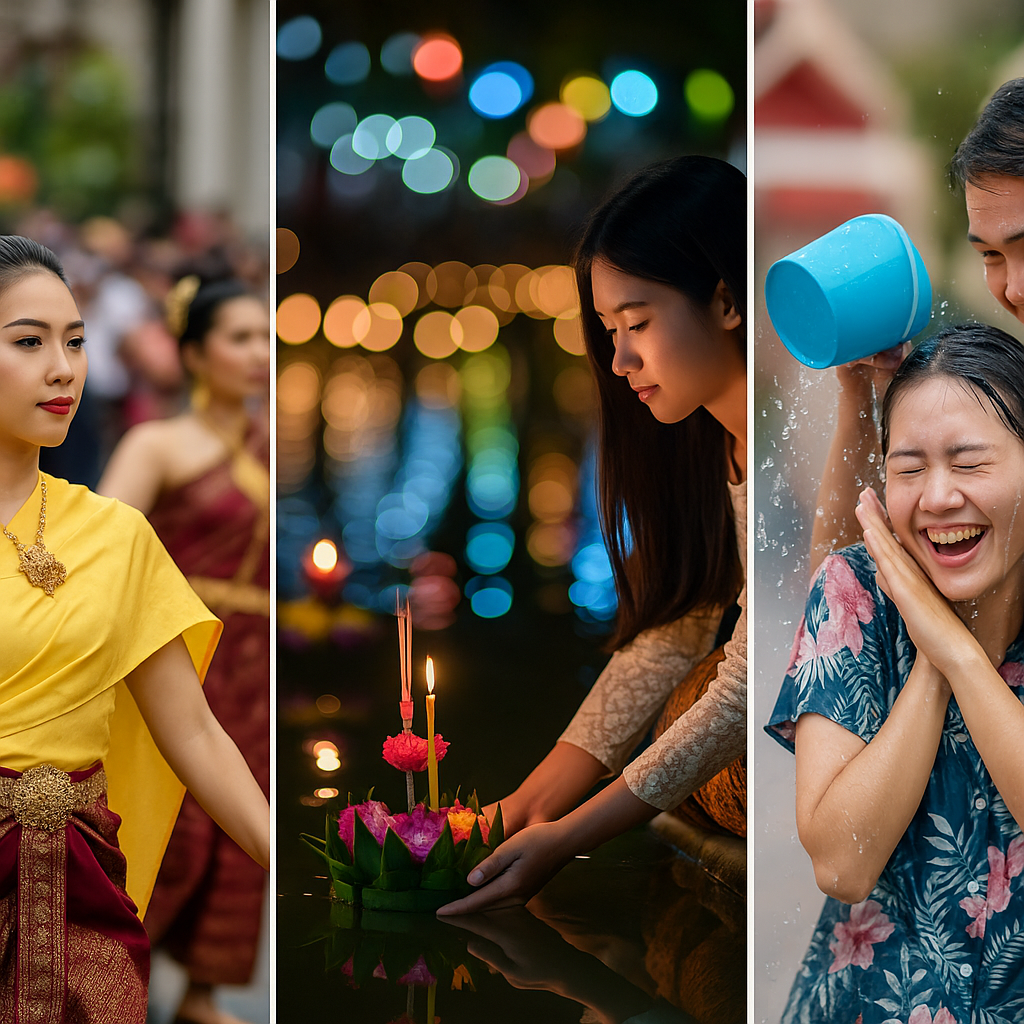
Experience the vibrant culture of Thailand through its unique festivals.
Read Article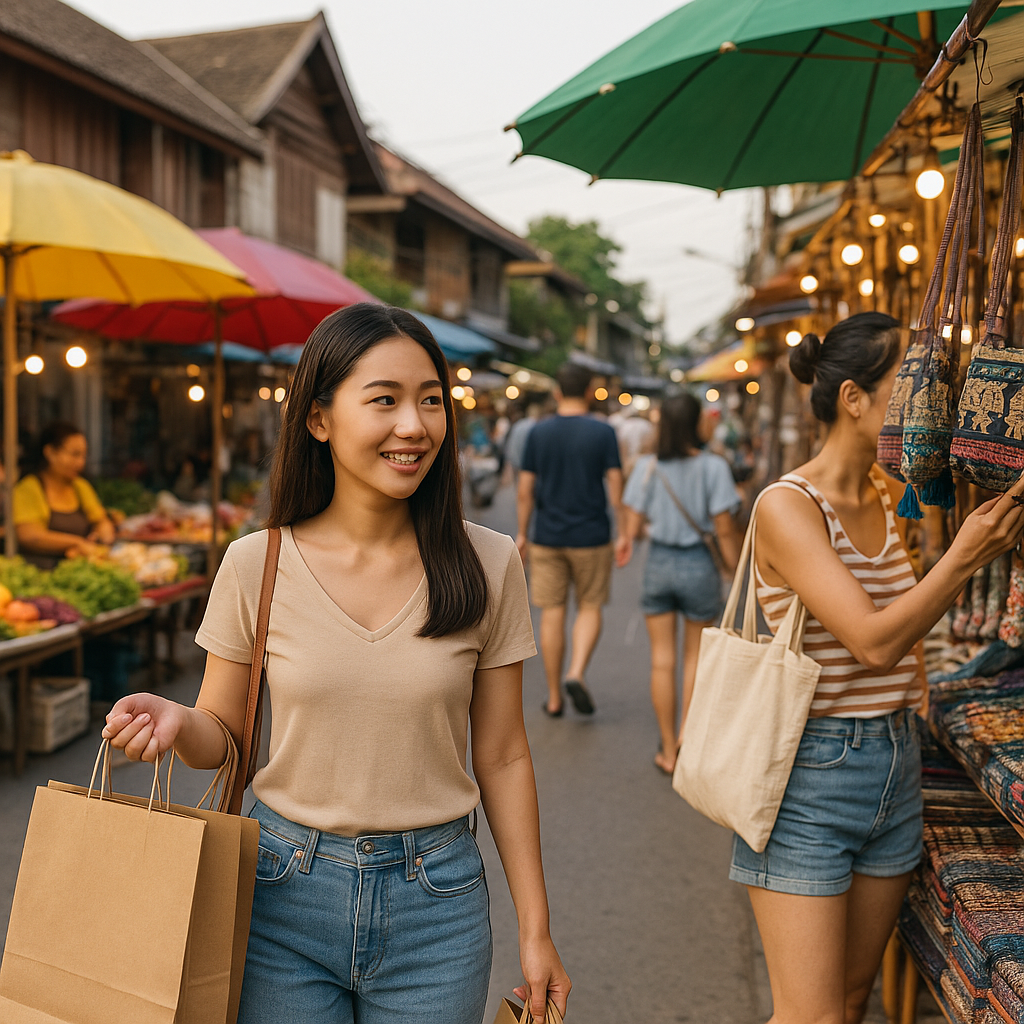
Get tips on navigating and shopping at Thailand's vibrant street markets.
Read Article